Tag Archive for: natural health

By Mariela Amiri, Traditional Naturopath & Patient Coordinator


Nobody likes to think about worms, amoebas, and other creepy crawlers living inside our bodies! But unfortunately, this is a very real and common health concern. In fact, parasitic infections are quite common in the United States, affecting millions of Americans through new or chronic infections. However, these diseases typically go undiagnosed due to lack of awareness among health care providers, as well as the relative inaccessibility or unavailability of the right diagnostic tests.

So let’s educate ourselves on this health issue to learn all about parasites, the havoc they can wreak in our systems, and the detoxification, nutritional, and lifestyle steps we can take to eliminate or prevent parasite infections in our households. 


What is a Parasite? 

A parasite is a plant or animal that lives upon or within another living organism at whose expense it obtains some advantage. Parasites include multi-celled and single-celled animals, fungi, and bacteria, and some include candida and viruses. Without a host, a parasite cannot live, grow, and multiply. For this reason, a parasite rarely kills its host, but it can spread diseases, ranging from the mildly annoying to the severe or even fatal.


Types of Parasites 

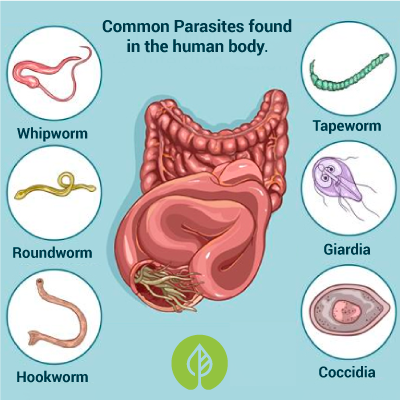
Roundworms are typically found in warmer climates but are common worldwide and can grow to about the size of a pencil. (Anclastomic, Ascaris, Dog heartworm, Pinworms, Strongyloides, Toxicara, Trichinella, Whipworm,)

Flatworms-Tapeworms Family (Bladder Worm, Beef Tapeworm, Dog tapeworm, Dwarf tapeworm, Fish tapeworm, Pork tapeworm, Rat Tapeworm) Infections from tapeworms usually occur from ingesting undercooked or raw meat or from contaminated food, water, soil, or hand to mouth contact. 

Flatworms- Fluke Family (Blood Flukes, Fish Flukes, Intestinal Flukes, Liver Flukes, Lymph Flukes, Pancreatic Flukes) 

Single-Cell Parasites (Amoebas, Anaplams, Babesia, Cryptosporidium, Cyclospora, Giardia, Leishmaniasis, Neospora, Plasmodium, Sarcocystis, Spinal Fluid Parasites, Toxoplasma, Trichomonas)


What Are the Symptoms of a Parasite Infection? 

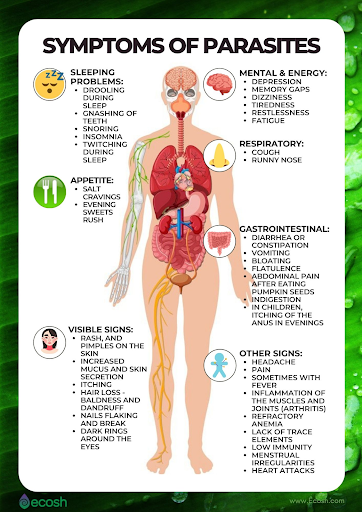
Parasites can negatively affect any part of the body and immune system. One can experience a range of  neurological symptoms, gastrointestinal symptoms, to inflammatory symptoms. There is a parasitical connection and neurological disorders- narcissistic behaviors, schizophrenia, dissociative disorders, paranoia, PTSD, anxiety, bipolar disorder, MS, epilepsy, seizures, ADD, ADHD, brain and spinal cord issues, brain lesions, poor balance. 

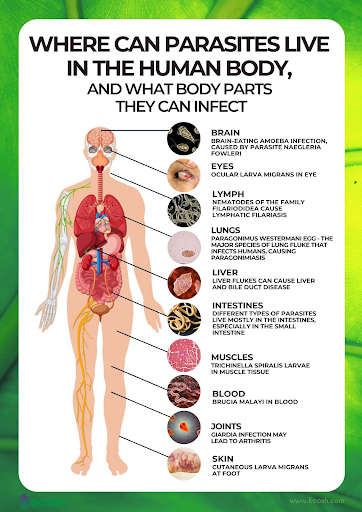
Parasites can also live in the sinus cavities (Ascaris Lumbricoides-nematode roundworms) causing nasal discharge, nasal obstructions, facial pain, headaches, allergies, and chronically swollen tonsils. The most common parasitic symptoms are in the gastrointestinal tract causing diarrhea, slow bowel movements, stomach upset, slow digestion, gas bloating, food intolerances.  

Roundworm Symptoms: allergies, sinus issues, anemia, asthma, digestive disturbance, grinding teeth at night, intestinal gas, restlessness, lymphatic issues, snoring and weight gain. Calcium deficiency often accompanies roundworm infestation.  

Flatworm Symptoms: feeling toxic, dizzy, foggy thinking, hunger pains, poor digestion, allergies, bloating, high and/or low blood sugar, gas, jaundice, mineral imbalance, thyroid imbalance, disturbed sleep and teeth-grinding. Infections from tapeworms usually occur from ingesting undercooked or raw meat or from contaminated food, water, soil, or hand to mouth contact. 

Blood Flukes Symptoms: blood clots, high blood pressure, stroke, The bone marrow may also be affected. Blood flukes take up amino acids, especially arginine, which may cause a protein imbalance. 

Fish Flukes Symptoms:  skin issues, liver and intestinal disturbances including feelings of pressure and gas.

Intestinal Flukes Symptoms: sinuses, mucus, indigestion, intestinal problems, prostate problems, issues associated with dioxin poisoning. 

Liver Flukes Symptoms: Liver disorders, pain near the liver. 

Lung Flukes: anemia, dry cough, coughs that persist, shortness of breath, impaired breathing, redness in the whites of the eyes. Lung flukes may cause oxygen starvation to the entire blood system. Keep in mind that weakened lungs may lead to other lung illnesses such as repeated flu, pneumonia, and fungal infections. 

Lymph Flukes Symptoms: lymph disorders, including breast cancer, lymphoma and leukemia. 

Pancreatic Flukes Symptoms: autism, sugar imbalances – both low and high, candida overgrowth in the liver, and pancreatic disorders of any kind.


Parasites and Testing 

Why lab stool parasite testing is unreliable & inaccurate: 

  1. Parasites have a self-dissolving mechanism. They can excrete an enzyme that makes them dissolve in about 24 hours after being purged from the body/die. 
  2. The skill level of the individual examining the microscopic specimen is critical to accurate results. Parasite ova can be easily missed if the sample is not examined thoroughly, & false positive results can occur because other substances – pollen, insect ova, & plants can look similar to parasites & their ova. 
  3. Parasites live throughout the body, not just the colon. They love living in the brain, sinuses, lungs, pancreas, joints and many other organs. This is just one more reason why parasite stool testing is an unreliable source to confirm if you have parasites. 


A Few Fun Facts about Parasites 

If you’ve ever had a parasitic infection, you know there is nothing fun about them! But here are a few interesting facts: 

  • Worms can grow more than 3 feet long.
  • Hookworm transmission transmitted by walking barefoot on contaminated soil.
  • One can get roundworms and whipworms by ingesting parasite eggs, through uncooked food.
  • 200 roundworms are considered a moderate infection in a child’s intestines. Each worm can be 8-12 inches long.
  • Adult worm parasites can live up to 30 years inside the human body!
  • Malaria causes the most deaths globally (400,00 per year)
  • Parasites can lump together in the human body in balls and appear as cancer tumors.
  • The largest recorded human parasite extracted to date is 37 feet long!!
  • Toxoplasma gondii is linked to ADD, schizophrenia, suicidal behaviors.
  • Follicle mites can live directly on the human body. Up to four mites can attach to one hair follicle.
  • The second cause of blindness in the world is caused by a parasitic worm called Onchocerca Volvulus.
  • Hookworm infection is linked to low blood count.
  • The Naegleria Fowleri amoeba is responsible for brain inflammation/meningitis.
  • Approximately 50 million children in the US have a parasitic infection.
  • Chagas is a parasitic infection considered to be “the new AIDS.”
  • A square foot of a single carpet houses about 10,000 dust mites.
  • Parasites multiply quickly. They can have their own parasites, and they can have even more parasites!


In part two of this series, I will dive into the ways we can test for parasites, how to detox them from our systems, and the holistic nutritional and lifestyle steps we can take to treat and prevent future infections.  


Read Part 2 


By Carrie Rutledge, Longevity Patient Coordinator 

Who are the largest consumers of saturated fat in the world? It may surprise you to know that Spain, France, and most European countries are some of the biggest consumers of dietary saturated fats[1]; yet are leading in health outcomes.  In reference to the 2019 global report on healthiest countries in the world based on a range of factors (the United States didn’t make the top 20), Spain is in first place, with Italy right behind and France at number 12 [2].

It’s important to understand that European countries currently ban several types of pesticides and artificial ingredients; France, Italy and Spain also cook their foods with olive oil, butter, and animal fats. In fact, a roux in France is commonly made with butter, bacon drippings or lard. The most common cooking oil for Americans is vegetable oil. Soybean, canola, safflower, sunflower, corn, rice bran, and grape seed oil have been spouted as “healthy” but may be causing Americans to suffer from inflammation including high rates of autoimmune disease. Moreover, it is nearly impossible to dine out in America without consuming these oils.

Longevity in the United States has not improved much over the last few centuries. In fact, if you look back at the signers of the Declaration of Independence, 23 out of 56 lived past their seventies and 35 of them lived into their sixties. This was in 1776, before plumbing, infrastructure, antibiotics, and the numerous medical interventions we have today. One would assume with all these interventions that Americans would be some of the healthiest people on the planet. So, the question remains why are Americans still suffering from chronic inflammatory diseases including high rates of autoimmune disease? Could it be the highly processed, industrialized vegetable oils we are ingesting daily?


The History Behind Vegetable Oil  

Americans slowly began introducing vegetable oils for cooking in the early 1900s, and we began replacing animal fats for cooking in the 1980s. In 1990 McDonalds replaced beef tallow with 100% vegetable oil. Today, most restaurants will use highly refined vegetable oil for cooking and frying.

The refining process of vegetable oils includes bleaching, degumming, and deodorizing to make these oils edible[3]. Once these oils are bottled and shelved, they still contain many inflammatory and toxic components. A study done by the Journal of the American Oil Chemists’ Society, showed that cold-pressed vegetable oils contain pesticides, PBDEs, PCBs, and PAHs.  All are regarded as hazardous chemical contaminants.[4]

Moreover, Global Data, found that the United States and the United Kingdom have a higher prevalence of inflammatory autoimmune diseases compared to other countries.[5] The use of vegetable oils in America, specifically soybean and canola oil, may be contributing to the rise in the various inflammatory conditions we see today. Specifically, the rise in auto-immune disease and allergic conditions.


The Necessity of Essential Fatty Acids

 It’s important to understand that the human body requires Essential Fatty Acids (EFAs) to function. EFAs are Polyunsaturated Omega 6 (Linoleic Acid and Arachidonic Acid) and Omega 3 fatty acids (EPA, DHA and ALA (Alpha-linolenic acid)) that must be acquired from the diet because the human body cannot make them on their own. While scientists say that EPA and DHA are not essential because the human body can convert ALA into EPA and DHA, the conversion rate is low to none for most individuals. EFAs are precursors to eicosanoids which are cell signaling molecules responsible for building cell membranes, regulating many inflammatory processes and vasodilation. [6]

Omega 3 fatty acids are anti-inflammatory and are the primary component of neurons in the brain and extremely important for fetal and infant brain development. Sources of Omega 3 fatty acids EPA and DHA are human milk, oysters, and fish. Sources of Omega 3 Alpha-linolenic acid are flaxseed, wheat germ, walnuts, and chia seeds. Omega 3 also comes from canola oil in the form of Alpha-linolenic acid; however, it is highly processed, oxidizes easily and the conversion rate is very low.[7] Omega 6 fatty acids are pro-inflammatory meaning they are required for the inflammatory response. Omega 6 linoleic acid and Arachidonic acid sources come from most vegetable oils including soybean oil and sunflower oil, poultry fat, meat, eggs, nuts, and seeds.

The problem we are seeing in the United States today is an imbalance of these essential fatty acids. History shows that 100 years ago humans had a ratio of around 4:1 in favor of omega-6 fatty acids. Today, due to the overuse of industrial seed oils, nut milks, nut butters and the decreased consumption of seafood, many Americans have a ratio of 20:1 or higher. [8]


Maintaining a low Omega 6 to Omega 3 ratio in Relation to Autoimmune Conditions

Studies are showing that maintaining a lower omega 6: omega 3 ratio at a level of 4:1 is effective in reducing inflammation; whereas a higher ratio is associated with increased inflammation, allergies and autoimmune disease.8 Scientists estimate that our ancestors in the Paleolithic era consumed anywhere from 660mg to 14,250mg of omega 3 fatty acids per day. Today, the decreased consumption of marine omega-3 and an increase in the consumption of omega-6 through industrial seed oils which contain a ratio of 60:1; we have seen a dramatic increase in pro-inflammatory autoimmune conditions such as Rheumatoid Arthritis, Crohn’s Disease, asthma, and allergies.8,10

Clinical studies are showing that Omega-3 fatty acids are able to reduce inflammation and may improve symptoms in individuals with Rheumatoid Arthritis, a condition in which the immune system attacks the lining of joints causing inflammation and pain. In one study composed of 68 Rheumatoid Arthritis patients, 34 were put on an anti-inflammatory diet with less than 90mg/day of arachidonic acid (omega-6), the other group followed a standard American diet and patients in both studies were given placebos or fish oil capsules. The study showed that those who had a diet low in arachidonic acid, supplemented with fish oil and followed an anti-inflammatory diet saw a significant decrease in pain and inflammation. [9]

Furthermore, Crohn’s patients also saw a decrease in inflammation when lowering omega-6 fatty acids in their diet. The primary mechanism for which Omega-6 fatty acids contribute to the inflammatory response in a Crohn’s patient is through the activation of Nuclear Factor-Kappa Beta (NF-kB), a transcription factor that promotes inflammation. The cells and macrophages of Crohn’s patients have an increase of TNF-alpha and Interleukin-1, which may promote further activation of NF-kB. Studies show that oxidative stress is increased in Crohn’s cells exposed to omega-6 (linoleic) fatty acids. The data from the study implies that dietary restriction of Omega-6 fatty acids in the form of oxidized vegetable oils along with arachidonic acid inhibitors while increasing antioxidants and omega-3 fatty acids, may provide relief for Crohn’s patients.8,[10]

Likewise, studies are showing the increased consumption of oxidized omega-6 fatty acids are correlated with an increase in allergies such as asthma and eczema because alpha-linoleic acid and linoleic acid compete for the same enzymes. Moreover, the increased intake of omega-6 fatty acids, provide high amounts of linoleic acid, which competes with EPA and DHA in the membrane of the cell. A low intake of omega-3 fatty acids will lead to an increase in omega-6 fatty acids and a large production of inflammatory cytokines and recruitment of mast cells. Additionally, Omega-3 fatty acids (EPA and DHA) are shown to reduce the breakdown of Arachidonic acid into pro-inflammatory compounds while increasing the anti-inflammatory response. Because allergies are characterized by a chronic inflammatory state, the reduction of omega-6 fatty acids and increase in omega-3 fatty acids, may help the body to heal chronic inflammatory conditions.8,[11]    


 Omega-3 Fatty Acid Supplementation in Pregnancy Outcomes

Fish Oil Supplements in Pregnancy Reduce Asthma Risk in Offspring

Clinical studies are showing that the consumption or supplementation of omega-3 fatty acids in pregnancy may reduce allergic diseases in offspring. In one randomized placebo-controlled study, 154 women who were affected by allergies or had previous children with allergies, were given 2.7 grams of Omega-3 fatty acids.  They supplemented with EPA and DHA at 25 weeks gestation until 3-4 months of breastfeeding. The results showed that the risk of food allergy decreased by over seven-fold and the risk of food related eczema decreased by three-fold.8,12 Likewise, the observational data showed that mothers who didn’t eat fish during pregnancy had an increased risk of having a child with asthma. In fact, a low intake of ALA and omega-3 fatty acids coincided with a 66% increase in offspring with asthma. 8,13

Additionally, a review of 10 cohort studies and 5 randomized controlled trials showed that women who consume or supplement high amounts of omega-3 fatty acids may be taking the first step in preventing allergic disease in future generations. In fact, more than 70% of observational studies found a significant decrease of inflammatory allergic conditions in offspring with an increased consumption of fish or omega-3 supplementation during pregnancy. Ensuring an optimal omega 6 to Omega 3 ratio before the fetal immune system develops, may be an important step in preventing allergic diseases in children.8,12  


How to Safely Consume Omega 6 and Omega 3 Fatty Acids

 Omega-6 fatty acids are essential to the diet and serve to promote the inflammatory response in the human body, but we should be getting them from healthy whole-food sources instead of highly processed oils. By eating pastured meats, eggs, olive oil, nuts and seeds you can be assured that you are getting enough omega-6 fatty acids. Lowering the ratio can be easily done by enjoying these foods daily and by increasing the amount of seafood in the diet. While consuming walnuts, chia, and flaxseed oil will increase the ALA in the diet, the conversion rate to EPA and DHA is low; therefore, it is imperative to eat wild caught seafood such as salmon, sardines, shrimp, oysters, and anchovies while taking a quality fish oil or algae supplement. Omega-3 fatty acid supplements can be in the form of fish oil, krill, cod liver oil, and algae (for vegans or seafood allergies). 11

Additionally, the quality of seafood does matter as farm raised fish do not contain omega 3 fatty acids. Fish rely on their diet of algae to make EPA and DHA and farm raised seafood is often fed grains, soy, corn, and plant proteins making them high in omega-6 fatty acids.14 For this reason, it is crucial to purchase wild-caught fish as opposed to farm raised. 11,14


Summary 

 Without a doubt, Americans are lacking in their consumption of omega-3 fatty acids, and this results in a high omega 6: omega 3 ratio. Studies are showing the imbalance of these fatty acids may be contributing to the high rates of autoimmune disease in our country. Currently, the benefits of omega-3 supplementation are being studied for several inflammatory conditions including obesity, cancer, ADHD, Alzheimer’s, and depression. While studies show that supplementation with omega-3 fatty acids can reduce inflammatory autoimmune diseases overall, more research needs to be done. Some studies were observational or used questionable methods to substantiate evidence such as using lower doses of fish oil capsules which proved to be ineffective. The optimal ratio of omega 6: omega 3 is debatable, has not been clearly defined, and may be specific to the individual. Other limitations such as environmental and nutritional factors must also be considered when evaluating research.


References:


1)  https://www.weforum.org/agenda/2019/02/these-are-the-world-s-healthiest-nations/ 


2)     https://www.bmj.com/content/348/bmj.g2272 


3)     Gharby S. Refining Vegetable Oils: Chemical and Physical Refining. ScientificWorldJournal. 2022 Jan 11;2022:6627013. doi: 10.1155/2022/6627013. PMID: 35069038; PMCID: PMC8767382. 


4)     Gharby S. Refining Vegetable Oils: Chemical and Physical Refining. ScientificWorldJournal. 2022 Jan 11;2022:6627013. doi: 10.1155/2022/6627013. PMID: 35069038; PMCID: PMC8767382.


5)     GlobalData (2016). EpiCast Report: Systemic Lupus Erythematosus (SLE) – Epidemiology Forecast To 2025, December 2016, GDHCER144-16

6)     Medicine, The National Academies. Dietary reference intakes for energy, carbohydrate, fiber, fat, fatty acids, cholesterol, protein and amino acids. J Am Diet Assoc. 2002 Nov;102(11):1621-30. doi: 10.1016/s0002-8223(02)90346-9. Erratum in: J Am Diet Assoc. 2003 May;103(5):563. PMID: 12449285.


7)     Gerster H. Can adults adequately convert alpha-linolenic acid (18:3n-3) to eicosapentaenoic acid (20:5n-3) and docosahexaenoic acid (22:6n-3)? Int J Vitam Nutr Res. 1998;68(3):159-73. PMID: 9637947


8)     DiNicolantonio JJ, O’Keefe J. The Importance of Maintaining a Low Omega-6/Omega-3 Ratio for Reducing the Risk of Autoimmune Diseases, Asthma, and Allergies. Mo Med. 2021 Sep-Oct;118(5):453-459. PMID: 34658440; PMCID: PMC8504498


9)     Adam O, Beringer C, Kless T, Lemmen C, Adam A, Wiseman M, Adam P, Klimmek R, Forth W. Anti-inflammatory effects of a low arachidonic acid diet and fish oil in patients with rheumatoid arthritis. Rheumatol Int. 2003 Jan;23(1):27-36. doi: 

10.1007/s00296-002-0234-7. Epub 2002 Sep 6. PMID: 12548439


10)   Alzoghaibi MA, Walsh SW, Willey A, et al. Linoleic acid induces interleukin-8 production by Crohn’s human intestinal smooth muscle cells via arachidonic acid metabolites. American journal of physiology Gastrointestinal and liver physiology. 2004;286:G528–37


11)   Lundeen KA, Sun B, Karlsson L, et al. Leukotriene B4 receptors BLT1 and BLT2: expression and function in human and murine mast cells. Journal of immunology (Baltimore, Md: 1950) 2006;177:3439–47.


12)    Maslova E, Strom M, Oken E, et al. Fish intake during pregnancy and the risk of child asthma and allergic rhinitis – longitudinal evidence from the Danish National Birth Cohort. The British journal of nutrition. 2013;110:1313–25.


13)   Lumia M, Luukkainen P, Tapanainen H, et al. Dietary fatty acid composition during pregnancy and the risk of asthma in the offspring. Pediatric allergy and immunology: official publication of the European Society of Pediatric Allergy and Immunology.


14)   Sprague M, Dick JR, Tocher DR. Impact of sustainable feeds on omega-3 long-chain fatty acid levels in farmed Atlantic salmon, 2006-2015. Sci Rep 2016;6:21892. [PubMed abstract]

An Interview with Dr. Kathryn Hale, Abundant Health Life 


Here at Longevity, we love partnering with and promoting like-minded practitioners in the community as we come alongside our patients on their wellness journeys. One of those practitioners is Dr. Kathryn Hale. 


Dr. Hale is a board-certified OBGYN with specialized training in Functional Medicine and Integrative Women’s Health. She has nearly a decade and a half of experience in Obstetrics and Gynecology. She completed her internship and residency at the University of Tennessee Health Science Center, receiving valuable high-risk experience at The Regional Medical Center in Memphis. She served at a community health center in South Carolina before moving to North Georgia, where she practiced for over seven years as part of a single specialty group. She has also spent the past few years working as a Diplomat OBGYN Hospitalist with OB Hospitalist Group. 


Dr. Hale believes we are designed to live a whole and vibrant life now, and we can achieve an abundant, healthy life through a holistic approach to wellness. The conditions she treats include hypothyroidism and other endocrine disorders, and hormone imbalances. She also provides preconception/fertility and weight loss support. 


We interviewed Dr. Hale to learn more about her practice and the integrative services she offers. 


What is the heart and mission behind your practice and the work you do?  


I want to empower women to achieve the health and vitality they deserve to live life on their terms. 


When it comes to their reproductive and hormonal health, what do you think is the biggest obstacle or risk factor facing women today? What do you wish more women knew when it comes to their overall health and wellness?


The biggest obstacle facing women’s health is that women are often just not heard when they seek care. I wish more women knew that they deserve the time and investment it takes to make their health a priority. If they are well, the benefits trickle down to those they love and care about. They deserve to be well nourished and have the strength and energy to meet the demands of their lives. Achieving better health doesn’t have to be complicated. Simple sustainable shifts can alter  the trajectory of your health journey.


So many of our female patients come to us with insomnia issues. What are your recommendations for getting more restorative sleep? 


I recommend that women treat their sleep like they treat babies learning to sleep at night. Establish a consistent sleep schedule.  Develop a wind down routine that includes blue blocking  glasses from sundown, shutting down electronics at least an hour before bedtime. Create safety in your body through relaxation practices such as epsom salt baths and yoga. Release the day by dumping thoughts into a journal. Some women also benefit from natural progesterone supplementation, magnesium glycinate and herbs and supplements that help to calm the nervous system like Lavender and L-theanine. Cut out the afternoon caffeine if you struggle with sleep. 


What are some simple steps women  can take today to manage stress, prevent disease, and feel more whole and vibrant in mind, body, and spirit? 


Slow down. Many women that I see are burned out and suffering the consequences of hormone dysfunction and autoimmune disease. Prioritize hydration, a nutrient dense diet, regular movement and spiritual/mind body practices. I’ve also been discovering more and more that women suffer from lack of meaningful connection and prioritizing joy. 


Our practice takes a preventative approach to women’s health, utilizing proactive testing to assess disease development and holistic supporting therapies to promote detoxification. How can our practices work hand-in-hand to help our clients feel their very best?  


I love that. I am definitely a fan of regular comprehensive detox and taking a proactive approach to wellness. I have the knowledge and experience to support the whole woman when situations arise that require more expertise in terms of hormonal health and women’s health in general. Abundant Health Life can come alongside Longevity Health when Functional Testing is needed to dig deeper and get to the root of what is impacting a woman’s health. We also offer a wide range of nutrition, hormonal, herbal and if need be pharmaceutical therapeutics to help a woman heal from the inside out. As a telemedicine practice, we also bring this type of care to women who, due to the logistics of life or geography, have challenges in accessing whole body wellness services.


To learn more about Dr. Hale and her practice, visit https://www.abundanthealthlife.com/ 

By Janelle Bertler, Traditional Naturopathic Practitioner, Longevity Health Center


As parents we all want what is best for our children! Whether your child is an infant, toddler, elementary school aged, or a teenager, it’s important to put some conscious thought into making a safer and healthier environment for our “little men” to thrive. (A lot of these suggestions can also apply to your Little Princesses too, so don’t shy away from the pointers below.) 


As we begin re-establishing school year routines, it’s a perfect time to look at cleaning up our home environments as well as adopting some naturopathic approaches, to set our little men up for healthier adulthoods. 


Endocrine Disruptors


The biggest hidden danger for our boys these days is an ever-increasing exposure to estrogen mimickers, also called endocrine disruptors. These compounds mimic estrogen in the body, disrupting the natural balance of hormones within the system. The cumulative effect of exposure to multiple sources of endocrine disruptors can be significant. Young boys are particularly vulnerable during critical periods of development. Exposure to these substances can have a significant impact on our kids’ delicate hormonal balance and can interfere with normal growth and maturation. These chemicals are commonly found in plastics, pesticides, personal care products and even some foods. 


Since our home environment is the space that our children spend most of their time in, adopting a toxin-free lifestyle has become increasingly important in promoting overall health. Let’s explore practical steps in creating a toxin-free home:


Choose Organic Whole Foods

Conventionally grown fruits and vegetables often contain pesticide residues; some act as estrogen mimickers. Choose organic produce whenever possible. Also, avoid processed food containing additives and preservatives, which are hidden sources of endocrine-disrupting compounds. Remember to avoid those harmful food dyes, too.


Food Safe Storage

Plastics, BPA’s, and Phthalates are sources of estrogen mimickers. Not all plastics are created equal. Some contain more hormone disruptors than others, yet when storing or heating food, avoid using plastic containers of any kind. Glass or stainless steel will always be the healthier options. Also be mindful of using plastic wraps. There are eco-friendly alternatives like beeswax wraps.


Personal Care Products

Many personal care products like shampoos, soaps, and lotions contain harmful chemicals, which can also act as estrogen mimickers. Choose natural and organic personal care products free from synthetic compounds. Since anything put on your body is absorbed through your skin, make very conscious decisions in this arena! Make sure your kids are using fluoride-free toothpaste as well.


Filter Your Water

Since public water supplies may contain trace amounts of estrogen mimickers, chemicals (such as chlorine & fluoride) and/or pharmaceutical medications, and even lead, installing a quality water filtration system can go a long way in reducing your toxin exposure. Use filtered water for your “little men” to drink as well as for any family cooking needs. If you want to take it a step further, look into shower filters too!


Avoid Synthetic Fragrances

Air fresheners, cleaning products, and personal care products with fragrances are all toxin building. Opt for naturally scented or essential oil scented products. If you want to take it one step further, entertain the idea of creating your own cleaning or personal care products with natural ingredients like vinegar, baking soda, essential oils, and lemon juice. 


Air Filtration

Indoor air can be more toxic than outdoor air. Many indoor items, such as furniture, carpets and cleaning products release volatile organic compounds (VOC’s). VOC’s negatively impact respiratory health and contribute to indoor air pollution. To improve the air quality of the home, think about: 

  • Increasing ventilation by opening windows or using fans
  • Using HEPA filters to remove airborne pollutants
  • Incorporating indoor air purifying plants, such as peace lilies or spider plants
  • Choose low-VOC paints, adhesives and building material when renovating or redecorating


Mindful Pest Control

Common pest control methods involve the use of toxic chemicals that can harm both pets and humans. Keeping a clutter-free home can reduce pest attraction and when needed opt for natural and non-toxic approaches. Natural repellents like diatomaceous earth, vinegar or essential oils are great at deterring pests. My hidden weapon of choice for the wasps that hide around entrances of buildings is WD-40. The extended nozzle lets you aim up high under building overhangs. (It’s a great solution for single mothers terrified of bugs!)


Now that we have reduced the toxic load of the home environment, let’s look at other holistic principles in regards to raising healthy men. 


Balanced Nutrition

Sometimes this is easier said than done. If you need a little extra support in this area, take a look at a greens powder for increasing nutrient intake. Or one of my favorite nutritional supports for my boys is IntraMax or IntraKid. It has a broad range of vitamins, minerals, antioxidants, essential fatty acids like Omega-3s, and even some food based toxin binders!


Hydration

Water plays a crucial role in optimal health and proper cellular functionality. Have your kids focus on drinking plenty of water for their size. Typically 1/2 of their body weight in ounces of water (For example, an 80-pound boy would need 40 ounces of water per day.) Avoid sugary liquids since they play a role in high blood sugar levels, obesity, and behavioral issues. 


Regular Body Movement

Physical activity is vital for boys’ health as it promotes healthy growth, improves cardiovascular health, and aids in maintaining a healthy weight. All little men need to engage in regular exercise. It supports mental well-being as it releases endorphins. Encourage them to find activities they enjoy – this can simply be outdoor play!


Mindfulness & Stress Management

Teaching boys mindfulness and stress management skills can have a profound impact on their emotional and mental health. Teaching them meditation, yoga, deep breathing, or even spending time in nature can help them better cope with stress and anxiety more effectively. Meditation apps and podcasts are an easy way for kids to learn these techniques. Some of these programs even come with tracking so you can see that they have been completing sessions.


Sufficient Sleep

Sleep is when the body heals, repairs, and consolidates memories. Adequate sleep is essential to support physical growth, physical health, and cognitive development! Aim for a consistent sleep schedule. Limit screen time/blue light before bed. Assist them in creating a calming bedtime routine to promote better sleep quality. Getting kids to bed a little early is really supportive on days when they are learning lots of new information. A few of our favorite kid-friendly sleep support products are Calms Forte and Melatonin


Emotional Well-being

The interconnectedness of the mind and body is recognized in Naturopathic medicine. Encourage your boys to have open communication. Validate their feelings. Teach them healthy ways to express their emotions. Help them to build resiliency by teaching them healthy mindsets and emotional intelligence, so they can develop resilience and grow up effectively navigating life’s challenges.  


Nutritional Support

Herbal remedies can be an excellent part of your home’s first-aid kit. ImmunoBerry and Echinacea can support the immune system. Olive Leaf is a wonderful herbal antimicrobial. ViraKid is excellent for cold or flu symptoms. Droscera is my go-to for my kids’ cough. There are so many options, and as always consult with your child’s naturopath about herbal remedies before using. 


My Challenge to You


Put some thought into these practical steps. Take this list in a slow and steady manner and begin making changes in your life to create a healthier future for our world’s children.  Try to make one change every week (or even every other week) so you don’t become overwhelmed. Another method of integrating these changes is this: As each product runs out, replace it with a healthier version. You will be surprised at the compounding results these little swaps will create over time.


In today’s fast-paced world, it’s essential to prioritize the health and well-being of our boys. As they grow and face various challenges, it becomes crucial to instill healthy habits that will serve them well throughout their lives. From infancy into adolescence, adopting a whole and healthy lifestyle can provide practices that promote physical, mental, and emotional health of our little men. Reducing exposure to hormonal disruptors, lays a foundation for healthier hormonal balance supporting their growth into healthy and resilient men. 


Remember that each child is unique, and it’s essential to adapt these principles to their individual needs. Let’s prioritize our young men’s health for a brighter and more vibrant future. If you desire personalized guidance and support, feel free to consult with one of our naturopathic providers. We are here to support you every step of the way! 


by Janelle Bertler, Traditional Naturopathic Practitioner


Little did I know that finding myself dating again in my 40’s would lead to a new found appreciation for men, yet this story isn’t about my dating experience. It’s about the many MANY amazing human beings that I have met along the dating journey. Couple this appreciation for men with a desire to assist everyone to show up as their best selves, and at that crossroad is where this series of articles was born. Let’s begin.  

It’s a “no-brainer” that men are important to society for their contributions to family, community, leadership, education, innovation and more. Now more than ever before in history, the state of the world is having an effect on everyone, and the stressors continue to compound! For any healthcare practitioner, whose goal is to support the physical health of any human being, they must look at supporting the mind, body and spirit. We know that the body is so intertwined and connected that if you affect one of these systems, it in turn affects the others. 


Here are some statistics in regards to the physical-mental health connection: 

  • Men with depression have a 30% higher risk for developing heart disease.
  • Men with mental health disorders are at a higher risk of developing cancer and are more likely to die from the disease.
  • Men with mental health issues are more likely to struggle with substance abuse. Men with substance abuse are at a higher risk of developing liver disease, heart disease, and cancer.
  • Men with mental health conditions are more likely to experience chronic pain.
  • Men with mental health disorders are more likely to experience sleep problems, which can lead to an increased risk of other chronic diseases such as diabetes, cardiovascular disease and obesity. 
  • Men with depression have a 60% higher risk of developing type 2 diabetes, compared to men without.
  • Men with mental health conditions are more likely to be obese, which can lead to a variety of physical health problems, including heart disease, diabetes, and high blood pressure. 
  • According to the World Health Organization suicide rates among men are about 3x’s higher than women.


Mental health has a significant impact on men’s physical health. This highlights the importance of addressing mental health concerns as a key part of overall health and well-being. It is true that men may be less likely to seek help for mental health issues. They are more likely to cope with mental health issues on their own, possibly due to social/ cultural norms that stigmatize mental health as a sign of weakness and vulnerability. Let’s dive into what men can do to support a healthy mental wellbeing!

We all know we should eat right, sleep well, exercise, blah, blah, blah. I’d like to share with you the “why” and some other areas that you may want to incorporate into your life. 

  1. Healthy eating reduces inflammation and reduces stress. It supports a healthy gut, deeper healing sleep, improves mood and increases energy.
  2. Prioritizing sleep has all the benefits of eating healthy, as well as assisting cognitive function, reducing irritability and increasing healthy emotional regulation. 
  3. Exercise not only improves mental health, but it also reduces the risk of chronic disease, improves sleep and relieves stress. Don’t forget about weight-lifting exercises. Muscle mass is important for supporting healthy testosterone levels, proper glucose control, bone health and improved self-image. 
  4. Maintain healthy relationships – Find your balance between family connections, friends and social groups. Loneliness and social isolation has been linked to an increased risk in depression, cardiovascular disease and decreased longevity. Males thrive on having friendships with other males, someone to talk to when times feel tough, and I’m not just talking about the superficial “sports” buddy. I’m talking about meaningful deep friendships. Finding friends as an adult might be easier by using a “finding friends” app or by joining groups that fit your favorite activities. A “gym buddy” might be a great way to fill multiple needs. 
  5. Take time for activities that bring joy and relaxation. It is important to find out what you need and enjoy. This will be different for every person and it may take trial and error to discover what works best. Carving out a little time in your life to feel elevated emotions can be very powerful, and we all need to find a little more relaxation to balance out our very busy lives.    
  6. Practice mindfulness in the way that works for you! This can take multiple forms: yoga, meditate, practice breathing exercises and/or try legs up the wall. There are all types of apps that can assist in this category; and remember to fill your spiritual needs as well.
  7. Limit screen time. Not only does blue light suppress melatonin making it harder to fall asleep, but devices keep your brain active and alert. Reducing screen time allows the brain to slow down and focus without distractions. Overtime this increases the ability to regulate emotions. Not to mention that media can have either a beneficial or negative effect depending upon what you choose to consume. 
  8. Serve others! Sometimes it takes getting out of our daily life and personal needs by putting attention on supporting others to get us out of the depths of mental health struggles. Volunteer your time. You might be amazed at how connecting in this way feeds the soul.
  9. Detoxify the body! By reducing the toxin load of the inner terrain, your Naturopath can assist you in feeling your best. 


It is when we feel our best that we have more “bandwidth” to deal with the everyday stressors of life. Put your own oxygen mask on first. Fill your own cup first. Take time for self-care! That way you are able to choose how you interact with those around you each and every day. Imagine a world where everyone has grace for everyone around them and can gently respond with kindness because everyone feels their best. That is the world I want to live in. Please join me in creating this world by caring for yourself and sharing this information with all the men that are important in your life. If you find yourself needing support in feeling your best, we are here to help! 


By Anna Powers, ND, Bioenergetic Practitioner

Mold is part of the cleanup crew of life. It helps break down debris, so it can return to the earth.
To grow, mold needs high humidity and a cellulose-based fuel source such as wood, plants or sheetrock. Mold spores can be tracked into our homes from shoes, clothing, pets, plants, and used furniture to name a few. High humidity enables the spores to proliferate on walls, furniture and carpets.

While the presence of mold in a home can be simply a nuisance to some, it can create significant health issues for others. About 25% of the population is allergic to mold and/or lacks the ability to process it within their bodies. That is why one member of the family can be fine and another member of the family can become extremely ill.

In sensitive individuals, mold exposure can cause immune suppression, eye irritation, inflammation, wheezing, coughing, asthma, sinusitis, headaches, tinnitus, dizziness, nausea, poor memory, digestive issues, fibromyalgia, joint pain, fatigue, brain fog, insomnia, numbness, tingling, rashes, lethargy, rapid weight gain, Mast Cell Activation Syndrome (MCAS) and more.
Of course, mold is not the only cause of these symptoms.

Mold spores enter the body through the sinuses or lungs, which provide a moist environment to breed. In 1999, Mayo Clinic researchers studied 210 patients with chronic sinusitis and discovered fungus in 96% of the patients’ mucus. They identified a total of 40 different kinds of fungi in these patients, with an average of 2.7 kinds per patient.

Once a patient is removed from a toxic mold environment, the detoxification process requires time and patience. It typically involves supporting the nervous system and vagal system, opening the body’s detoxification pathways such as the lymph, liver, and kidneys, and adding binders to escort the mold and mycotoxins out of the body.

The best way to prevent mold growing in your living spaces is to keep the humidity below 50% and clean your home regularly. A humidity meter can be purchased to monitor levels. If humidity is above 50%, it’s best to get a whole house dehumidifier, or a portable one for affordability. If a leak is found, it needs to be fixed immediately.

If mold is found in porous areas of your home, whatever you do, do NOT bleach it! Bleach only kills mold on non-porous surfaces such as a stainless steel sink. Since bleach is over 90% water, spraying bleach on a porous surface, such as drywall, only lightens the mold and evaporates it on the surface. It is still able to saturate the sheetrock underneath with water, enabling the mold “roots” to proliferate. In addition, bleach is thought to cause mold to release mycotoxins, which can be much more toxic than mold itself. Mycotoxins attach to dust particles that are carried throughout the home and create a much bigger problem.

We suggest using EC3 Mold Spray because it works by disrupting the chitin shell of the mold spore so that it is non-viable and cannot proliferate. It doesn’t clean mold or stain, but it does reduce its toxic impact.

If you suspect mold growth in your home, you need to remediate a leak, or you want to clean the air ducts, it’s optimal to use a professional service who understands the physiological impact of mold and can help you determine if there is a mold problem and how to remediate it safely. Here are some questions to ask:

  • How long have you been in business?
  • Do you use negative pressure containment around the contaminated area?
  • How do you ensure workers in the contaminated area do not spread mold through the rest of the house?
  • Do you use an air scrubber after mold is removed?
  • Do you use a third-party company to perform before and after air quality tests?
  • Do you offer a warranty?
  • Do you have three customers I can speak with?

If you suspect mold is impacting your health, we encourage you to schedule an appointment with one of Longevity’s knowledgeable and experienced bioenergetic practitioners. Our team can help you identify if mold or other toxins are burdening your system, and help you with a customized detoxification protocol. Learn more at LongevityHealth.com.

An Interview with Dr. Alise Jones-Bailey of Buckhead Functional Medicine 


Here at Longevity, we love partnering with like-minded practitioners in the community as we come alongside our patients on their wellness journeys. One of those trusted practitioners is Dr. Alise Jones-Bailey of Buckhead Functional Medicine. Her traditional functional medicine practice specializes in women’s health, digestive disorders, weight loss, cardiovascular disease, diabetes prevention, hormonal health, and immune system deficiencies.


We sat down with Dr. Jones-Bailey for a little Q&A to learn more about her practice, the services she offers, and her approach to overall health and wellness. 


What is the heart and mission behind your practice and the work you do? 


I am board certified in OB/Gyn and certified in Functional Medicine. The word doctor is derived from the Latin verb “docere’ meaning to teach. The mission behind my practice is to educate my patients health and disease while showing them the evidence based functional medicine practices. These practices promote prevention and ” healthspan over lifespan.”


What do you think is the biggest health factor or risk facing women today? 


Stress in my opinion, followed by obesity. This is so often behind mental and physical challenges many of us experience. Obesity is a risk factor for breast cancer, uterine cancer, colon cancer, type 2 diabetes, hypertension, and others.


So many of our patients are concerned about hormonal health and its impact on their metabolism/weight, reproductive health, mood, and energy. What kind of approach do you take on hormone balance, and what services do you offer in this department? 


Hormonal health for both men and women is key to health and a sense of well being. Whether we are talking about sex hormones, stress hormones, sleep hormones or thyroid hormones, they all work collaboratively. Measuring and monitoring are key tools to hormone optimization.


What do you wish women understood when it comes to understanding and balancing their hormones?


Women experience many hormone transition periods throughout their lives as do men. From childhood to puberty to childbearing years, menopause and postmenopause hormone dynamics are at play. Understanding these transitions and proactively managing them via lifestyle supportive practices is the key to navigating! Specifically, adequate sleep, a quality diet, exercise, adequate water intake, spiritual practices, community and daily sunlight lie at the core.


Our practice takes a preventative approach to breast and reproductive health, utilizing proactive thermography testing to assess disease development and holistic detoxifying therapies such as lymphatic drainage massage. How can our practices work hand-in-hand to help our clients treat and get to the root cause of female health issues?


I love that your practice does such a phenomenal job with a proactive approach to female breast health! Recognizing that 80% of breast cancer is fueled by estrogen, all practices that support modulating estrogen are critical tools. Looking at lifestyle and genetic predispositions are important, allowing you to decrease risk factors as much as possible. Anti-estrogen and anti-inflammatory dietary nutrients from fiber, flaxseed, cocoa, aloe vera, cruciferous veggies, tumeric and seaweed to name a few are supportive here. Limiting alcohol, the less the better as studies are conflicting in this area. 


We can continue to work collaboratively with your patients by understanding individual risks,

and “test don’t guess!”  Look at genetics, look at hormone metabolism, look at genetic predisposing factors, and measure so you can see your progress in lowering or eliminating risk factors.


What advice or recommendations  do you have for our clients who are setting their 2023 wellness resolutions and goals this month? How can they get the most “bang for their buck” as they set new rhythms and habits for the year ahead? 


  • Leverage the power of lifestyle medicine. An excellent publication called The Original Prescription by Thomas Gilliams so eloquently reviews the science behind this concept and practice.
  • Let food be your medicine.
  • Limit environmental toxic exposures.
  • Control your thoughts with positivity and gratitude practices.
  • Get quality sleep.
  • Get daily sunlight for 60 minutes a day, winter or summer.
  • Turn off all electronics at least an hour before bedtime.
  • Engage a mindfulness or meditation daily practice.
  • Take care of your gut or the microbiome with pre and probiotics.


To learn more about Dr. Jones-Bailey and Buckhead Functional Medicine, visit https://www.buckheadfunctionalmedicine.com/ 


By Cristina McMullen, ND, Certified Wellness Coach, Bio-Energetic Practitioner


Infertility has been and remains to be one of the most significant medical and even social problems of our modern times. It is a phenomenon that affects around 50-80 million people worldwide, classifying 8-10% of couples as infertile. In the United States alone, 19% of women aged between 15-49 years old are unable to get pregnant after a solid year of trying to conceive. 


And this statistic is sadly on a steady incline. So much so that the use of assisted reproductive technology by infertile couples is increasing by about 5-10% per year! Yes, in vitro fertilization (IVF) therapy has come a long, long way and has a much better success rate, but the drastic increase for its need makes you wonder why infertility rates are increasing so rapidly, and if there are more holistic measures couples could try before resorting to IVF and other fertility treatments. 


Let’s break down some of the most common causes of infertility as well as some nutritional, herbal, and therapeutic options that can help someone improve endocrine function and make it more likely for couples to be able to conceive naturally.


What Exactly is Infertility and What Causes It?


Infertility is defined as the inability to conceive after intentionally trying to for at least one full year. This inability to conceive can be caused by a whole host of underlying conditions that can be affecting either the woman or the man. In fact, roughly 30% of infertility is attributed solely to the female, another 30% is attributed solely to the male, 30% can be attributed to a combination of both partners, and another 10% seems to have an unknown cause. So, infertility indeed is a two-way street, but for today’s purposes, we are going to be focusing on female infertility.


Some of the more common causes of infertility in women include Polycystic Ovarian Syndrome (PCOS), endometriosis, diminished or low ovarian reserve, poor egg quality, thin endometrial lining,inflammatory disease of the uterus, and uterine fibroids. 


Endometriosis is a very complex disease that is becoming a major cause of infertility in women. Up to 30-50% of women with endometriosis suffer from infertility and a whopping 30-50% of infertile women have endometriosis. Though the medical community is not quite sure exactly what causes this disease, women who suffer from it usually have higher levels of estrogen than other women and is most likely at least part of what causes endometrial tissue to grow outside of the uterus and in the abdominal cavity. This build up of tissue outside of the uterus can cause a distorted anatomy of the pelvis, adhesions, scarred fallopian tubes, inflammation of the pelvic structures, changes to the hormonal environment of the eggs and altered egg quality, as well as impaired implantation of pregnancy. 


PCOS is another major cause of infertility, affecting roughly 5- 10% of women. It is caused by an overproduction of estrogen and increased testosterone levels that can affect egg quality and inhibit proper ovulation. Most, if not all, of the other causes of infertility also have some form of hormonal imbalance that may not be quite as severe but still affect the reproductive organs enough to inhibit a woman’s ability to conceive.


While hormonal imbalances are the major player in female infertility, there are still other factors that can play a rather significant role. Blood sugar imbalances, poor dietary choices, smoking and excessive alcohol consumption, exposure to toxic environmental chemicals, chronic infections, and even extremely high levels of stress can all affect a woman’s body in a way that would inhibit her from being able to become pregnant.


Whatever the cause of infertility, at the root of all cases there is an imbalance or disruption in the body that needs to be corrected. According to the philosophies of Traditional Chinese Medicine (TCM), infertility occurs because of a disrupted vital balance and blockage of Qi energy. In other words, a woman’s natural balanced state, from the time she begins menstruating to the time she begins menopause, is a state of “potentially conceiving” and any deviation from that state does not necessarily imply “infertility,” but means a shift from one’s optimum reproductive health. 


So the answer to infertility does not always have to rely on medical interventions like IVF, but rather can be resolved by figuring out what is causing her body to be out of balance and bringing it back into homeostasis.


Disruptions in the Body


There is no denying that in today’s world we are constantly being bombarded by chemicals and other environmental toxins. These chemicals build up in our bodies and can cause a whole slew of health issues. When it

comes to women and their reproductive health, a category of chemicals called endocrine disruptors are

of major concern. When these specific types of chemicals enter the bloodstream, they have the ability to mimic the body’s natural hormones and end up blocking or binding to hormone receptors. 


A specific subcategory of endocrine disrupting chemicals, called xenoestrogens, specifically have an estrogen-like effect. When these chemicals are in a woman’s body, they increase total estrogen, causing estrogen dominance. Since these chemicals are not biodegradable, they are also stored in fat cells and contribute to a host of endocrine disorders like endometriosis and PCOS, making them major underlying factors in infertility. Some of the more common xenoestrogens in our environment include parabens found in skincare products, BPA, phthalates, and PCBs found in plastics, and others found in insecticides, herbicides, glues, paints, and grocery store receipt paper. Certain foods that we eat even contain xenoestrogens from either the chemicals that were sprayed on them while growing or the fact that they are heavily processed and full of chemicals themselves.


Genetics and mutations to certain genes can also play a major role in a woman’s fertility. MTHFR mutations are alterations to certain genes that affect the body’s methylation pathways. Now,methylation is very intricate and complex, but in the case of infertility, you just need to know that methylation is involved in the breakdown of hormones and is also important for tissue growth and cellular development. This includes the growth of the endometrium and egg during the menstrual cycle. Since endometrial growth prepares a fertilized egg to implant into its lining, a disruption in methylation may affect early stages of pregnancy and even lead to miscarriages. 


Certain mutations can also cause follicles in women to make less estrogen, which then makes the ovaries less responsive to follicle stimulating hormones and can affect overall egg health and ovulation. High homocysteine levels are also associated with MTHFR mutations and high homocysteine levels have been correlated with a

lack of ovulation both in healthy women and those with PCOS. Homocysteine can also increase a woman’s risk of blood clots because it irritates blood vessels. In terms of pregnancy, this can interfere with implantation and embryonic development and can explain why some women end up needing to take blood thinners in order to successfully conceive.


Underlying chronic microbial infections can also put such a burden on the body that it is unable to conceive. For example, chronic yeast or fungal infections within the body can lead to a poor vaginal microbiome and can dramatically impact a woman’s ability to get pregnant. Other underlying viral infections such as Epstein Barr Virus and a heavy metal burden can tax the thyroid and affect its ability to produce other hormones needed for fertility. 


High levels of stress can exhaust the adrenal glands and also have a major impact on hormone production and overall fertility. There is a reason why we hear stories of couples who tried for years to get pregnant, only to finally find themselves pregnant after they gave up and stopped stressing out about the intricacies of the process. The body can become too stressed to take on anything else and once that main stressor was removed, it can finally prioritize conception. 


What Holistic Steps Can Be Taken To Improve Fertility Chances? 


Like the famous saying goes, “knowledge is power.” And now that we have a better understanding about some of the things that can cause imbalances in a woman’s body, we can figure out how bring the body back into harmony.


Detoxification and Supplementation

Before even considering pregnancy, a woman needs to make sure that the microbial and environmental toxins that are burdening her body are removed from her system. While there are some general suggestions on how to go about this, the toxic slew within each person is unique to them and is best handled on an individual basis so that supplements and protocols can be customized to each person. 


Bioenergetic testing can help pinpoint exactly what needs to be detoxed from the body and a knowledgeable practitioner can find the best remedies to do the job.  After individual burdens have been eliminated from the body, I believe that any couple that wants to get pregnant should do a general total body cleanse together. Like stated before, our environment is full of toxins these days that can not only affect our ability to get pregnant, but once pregnant these chemicals can cross the placental wall and enter the baby’s bloodstream. Studies have shown up to 287 different chemicals in the blood of umbilical cords, many of which are carcinogenic. It is very wise for both partners to eliminate as many of these harmful toxins from their bodies before they try to conceive. 


My personal favorite cleanse that we carry is called the Core Restore Kit by Ortho Molecular. It is a comprehensive cleanse that lasts either 7 or 14 days (you can choose) and focuses on maximizing liver detoxification. It also follows more of a paleo/whole 30 diet so the elimination of sugar and caffeine will nourish the adrenal glands and help to kill off any yeast or fungal overgrowth.


Now that each partner’s bodies are cleansed from environmental and microbial toxins, it is time to address nutritional support and potential genetic mutations. The standard recommendations include a prenatal multivitamin and fish oil supplement. Folate in particular is a major focus when it comes to supplements as studies have shown that folate helps to prevent neural tube birth defects. 


When it comes to the matter of MTHFR mutations, however, not every form of folate is created equal. Folate is actually a collective term that refers to all types of B9, including folic acid and methylfolate. Folic acid is the synthetic, inactive form that has to be made active (methylated) by enzymes in the methylation pathway. Methylfolate, however, is already in its active form. Those with MTHFR mutations need to make sure their prenatal multivitamin contains methylfolate and not folic acid. This is because those with the gene mutation

cannot properly convert folic acid into methylfolate. Instead, they need to take the form of B9 that does not need to run through the methylation pathways in order to become usable by the body. The general recommendation for folate is 400-600 mcg daily. If someone has suffered multiple miscarriages, OBGYNs may recommend up to 4 mg (4,000 mcg) daily. The main prenatal multivitamin we carry in our Nutrition Shop is a complete multivitamin and fish oil combo that contains 1,700 mcg of methylfolate.


Remember also that people with MTHFR mutations also tend to have higher histamine levels. Trimethylglycine (TMG) is another nutrient that can significantly help bring down high homocysteine levels in the body. While we have some B complex vitamins that contain TMG, I usually recommend adding a product called Homocysteine Supreme by Designs for Health. This product contains a hefty dose of TMG (900 mg) along with extra B vitamins, including an extra 3,400 mcg of methylfolate. But don’t worry about combining the prenatal with the Homocysteine Supreme. Higher serum folate levels are associated with higher luteal phase progesterone levels, which is ideal for fertility and even pregnancy.


Another supplement that I find to be very important both while trying to conceive and during pregnancy is a probiotic. The one I recommend to these women, however, is not your run of the mill probiotic. My favorite for conception and pregnancy is Ortho Biotic Women’s. This is because it contains only strains of bacteria that are found to colonize a healthy vaginal microbiome. 


Why is this important? Well, the microbiome of any part of our bodies impacts the pH of that part of the body. When it comes to trying to conceive, an imbalanced pH level of the cervix or vagina can damage sperm enough to prevent it from fertilizing an egg. By making sure the vaginal microbiome is what it should be will ensure an ideal pH for sperm to start their journey. Pregnant women should also stay on this probiotic, or at least get back on it towards the end of the pregnancy, so that the vaginal microbiome is again ideal for when the baby makes his or her way down the birthing canal and gets covered in all those immune boosting, jumpstarting bacteria.


Women who suffer from PCOS, endometriosis and other hormonal imbalances should also be taking a few other supplements to target the estrogen dominance and potential blood sugar irregularities. DIM is a phytoestrogen that actually binds to the xenoestrogens in the bloodstream and flushes them out of the body. We have a few different DIM products that you and your practitioner can choose from and decide which is the best for you. 


Inositol improves insulin resistance and is recommended for those with PCOS in particular. Sensitol is the product we carry and it contains two forms of insositol (myo- and d-chiro-) along with alpha lipoic acid to support normal insulin function and cellular metabolism. If your blood sugars are extremely high, and bordering diabetes, berberine is an herb that has actually been shown to be just as effective as metformin in regulating blood sugar levels. Women with PCOS who have very high testosterone levels need to also get that balanced out before conceiving. This is where a product by Douglas Labs called TestoQuench for Women would come into play because it moderate androgen activity in the body.


Last, but not least, is probably my favorite fertility product. I love to recommend this one whenever we have done all of the detoxifying and supporting nutritionally, and are yet to get a positive pregnancy test. Fertile Garden by Health Concerns is a Chinese Herbal blend that helps to regulate the menstrual cycle and nourishes the reproductive system. In TCM terms it does this by replenishing yin and regulating the flow of Qi and blood. It is also especially helpful for women trying to conceive in their mid-30s and 40s,  and can even help men with normal erectile function and sperm count.


Supporting Therapies


Acupuncture is probably most well-known to help increase fertility. It has proven itself so much so that a lot of fertility clinics work with acupuncturists in order to increase their client’s chances of a successful embryo transfer. It does this by bringing the body back into balance, which increases the chances of conception. What is it balancing mainly? In more TCM lingo, acupuncture mainly works to balance a woman’s “kidney essence” or “heavenly qi” when it comes to fertility.


The other supporting therapy that we have seen amazing results with is vaginal ozone therapy. Ozone is O3 and

stimulates the production of immunoglobulins in the blood, increases resistance of microorganisms to

microbes, improves oxygen transport mechanisms, and destroys viruses. When administered vaginally, it stimulates hormone balance (which is great for PCOS, endometriosis, and fibroids), helps balance vaginal pH, boost womb health, and eliminate inflammation. All of this makes it much easier for sperm to make it to the fallopian tubes and pass through them. Our HOCATT therapy contains ozone that can be personally administered through a vaginal catheter.


Nutrition Matters


Nutrition is also vital for optimum fertility. If you have ever heard me talk, you know I am a huge advocate for using food as medicine, and this is especially important in terms of our reproductive system health.  While trying to conceive, you want to focus on real food. Load up on foods from the perimeter of the grocery store and

avoid as many packaged, processed foods as possible. Since conventionally grown fruits and vegetables are heavily sprayed with xenoestrogen containing pesticides and herbicides, buy organic whenever possible. 


You can also visit www.ewg.org and look up their Dirty Dozen list. This lets you know the 12 common produce items that contain the highest pesticide/herbicide residual on them that you want to fork up the extra money to buy organic. And that goes for the products that are made from these ingredients too (think ketchup and tomato sauce since tomatoes are on the list). 


Since we want high levels of folate in the bloodstream, try to get at least one green leafy vegetable in each day. This includes broccoli, cauliflower, and brussels sprouts. Other sources of folate include legumes, meat, and

nut butters. The leafy greens and cruciferous vegetables pack an extra punch because they are full of

the phytochemicals that flush out xenoestrogens from the body. So, feel free to go over that one serving a day. 


Fruits, though we want to watch the kinds we eat to regulate blood sugar levels, such as cantaloupe, grapefruits, and other citrus fruits will give you a natural source of inositol. Lastly, a big forkful of sauerkraut or some other fermented vegetable will help balance pH and nourish the microbiome.


In our many years of practice at Longevity, we’ve seen so many couples who were labeled as infertile find hope and healing, and to finally see their prayer for a baby be answered! Before jumping right to expensive fertility treatments, we urge you to do some detective work to get to the root cause of the issue. And remember that only 30% of infertility is the sole cause of the female. Don’t carry that burden without first making sure your husband’s health isn’t also playing a role in your inability to conceive. Wherever you are in your fertility journey, our knowledgeable practitioners and staff are here to partner with  you to find answers, and support your body every step of the way. 

By Megan Rempel, Registered Nurse & Health Coach 


We’ve all had those weeks where we’re on top of our game; we feel amazing, sexy, energetic, creative.  We feel like we can do ALL the things, eating healthy feels easy, exercising is something we want to do…..


And then, BOOM. You suddenly don’t feel like doing ANYTHING. You second guess yourself, you question your goals, you don’t want to be social, you want to eat ALL THE THINGS.  Working out is the last thing you feel like doing.  And then of course, the negative self talk starts. 


“I suck.”

“I’m a failure”

“I can’t stick to anything”

“Who do I think I am anyways?”


Been there?  My guess is yes.

Now let me just tell you – YOU ARE NORMAL.

BUT – there is a way to FEEL a whole lot better, ALL MONTH LONG.  But it’s going to require you to understand the energies of your cycle.  Yes, your monthly cycle.

Ever heard of cycle syncing?


Cycle syncing is when you adapt your diet, workout calendar, social calendar, and to-do lists to the 4 different phases of your monthly cycle! This way you are able to optimize what your body needs instead of pushing it to perform at the same level all the time. 


As a woman with a cycle, you are going through four very unique phases every 28’ish days.  Most women are familiar with their menstrual phase (aka their period) and most also know there is a time of the month where they are most fertile (aka their ovulatory phase).


But there is so much more to understand! And when you sync your nutrition, exercise, and lifestyle to your monthly cycle, not only will you balance your hormones and prevent painful periods (PMS is NOT normal btw!), but you will also tap into the superpowers that each phase of our cycle has.

Let’s take a look at each of the four phases, starting with the day your bleed ends, and how you can begin to tap into these superpowers.


Follicular Phase

Your energy is on the rise and you’re feeling refreshed and ready to get out there and socialize. Your brain is wired to create – start working on new projects, brainstorm ideas, push yourself out of your comfort zone and try something new. You’re open to new experiences and stepping out of your comfort zone will feel exciting. Incorporate cardio and any type of energizing forms of movement to your workout routine.


Ovulatory Phase

Your energy is at its highest and you’re magnetic! Use this energy to your advantage and go after what you want. This is also a great time to schedule an interview, speaking gig, or have an important conversation since you are able to communicate your thoughts and feelings more clearly. For your workout routine, do all the high intensity interval training that you want. Your body and energy levels will love it.


Luteal Phase 

This is the phase that will lead up to your bleed.  Your energy levels are starting to dwindle, and this is when you may feel more introverted. Use this time to organize your house, get your chores done, pay your bills and wrap up tasks and projects. You can also consider doing some meal prepping for your menstrual phase. Slow down your social engagements and enjoy some me-time. As far as movement goes, try Pilates, barre, yoga or walks, depending on your energy.


Menstrual Phase

This is the time to slow down, rest, and make self-care a high priority. Especially during the first couple of days of your bleed. Remove as much off your plate as possible and get cozy. Use this opportunity to reflect back on the past month, journal, adjust the course if needed. Since you’re highly intuitive, listen to the messages and signals from within. Do some gentle movement like yin or restorative yoga, go for a walk or stretch if you feel like it. 

By allowing your monthly cycle to be a roadmap for a more effortless way of living, you’ll discover that you can decrease unnecessary stress in your life, feel less overwhelmed, and instead, feel more powerful, energized, and confident.  You deserve to feel good ALL month long.  And it IS possible. 


For more information on how to begin living in alignment with your cycle, you can download this free PDF on simple tips to get started with Cycle Syncing today. Also, be sure to subscribe to Megan’s podcast, Fit to be a Mama.  

Megan Rempel is a Registered Nurse with a certificate in Women’s Hormonal Health, a health coach, and a cycle syncing expert. Her mission is to help other women discover that life can actually be easier, IF they tap into the magic that we’ve had inside us all along – our monthly cycle. Her own journey from overwhelmed and exhausted mom of 4 to gaining back control of her life through simple and effective things like cycle syncing is what fuels her passion to help women get out of survival mode and find ease and joy in their lives. Follow Megan on Instagram @itsmeganrempel4. 

By Dr. Alice Honican, ND, Bio-Energetic Practitioner, Licensed Acupuncturist


Some people are able to bounce back quickly from Covid-19, but many others are experiencing ongoing symptoms, even several months or years after they first tested positive for the virus. Here at Longevity, not a day goes by that we don’t hear from or meet with a patient who is dealing with long-term issues after a Covid infection. 

Post-Covid conditions are referred to by many names, such as Post-Covid Conditions, Post Acute Covid, Chronic Covid, and Long Covid. Some of the most common issues include chronic fatigue/fibromyalgia, endocrine dysfunction, brain fog, and hair loss. 

Covid-19 may be a relatively new virus, but post-viral syndromes are nothing new. Dr. Anderson and I, along with our team of Bioenergetic Practitioners, have been treating these types of chronic infections our entire careers. 


If you or a loved one  are navigating Long Covid, here are five things you may not know, and some holistic solutions to restore your vitality and quality of life soon. 


  1. Long Covid symptoms can be due to the reactivation of other dormant viruses in the system. 

All of us have dormant viruses in our system. The most common include those in the Herpes family, such as shingles, Simplex I (fever blisters), Epstein Barr/Mono, and Cytomegalovirus. These common infections are reactivated by stress, and bring their own set of symptoms, such as painful rashes, cold sores, and extreme fatigue. Over the last couple years, we’ve observed that many of our patients are dealing with the symptoms of these reactivated viruses long after they fight off Covid. 


  1. Covid takes a massive toll on cellular function. 

Covid infections are extremely damaging to the mitochondria, or powerhouse of the cells. Decreased mitochondrial function means less cellular energy, resulting in overall fatigue, muscle weakness, and brain fog. The best way to combat cellular damage and restore healthy function is with high-powered antioxidants, such as Vitamins C, E, Selenium, Manganese, Glutathione, COQ10, Alpha-Lipoic Acid, and Zinc. We can assess cellular function and pinpoint specific antioxidant deficiencies in your system so you can restore balance and get your energy back! 


  1. Long Covid targets the systems of the body that are already most compromised. 

We’ve noticed that the Covid-19 virus seems to impact people where they are weakest. If they had pre-existing endocrine issues, Covid may impact their thyroid, causing long-term hair loss, low energy, or metabolism issues. If they were already at risk or dealing with cardiovascular dysfunction, they may experience hypertension or blood clotting after a Covid infection. 


  1. Detoxification is your secret weapon! 

We’ve seen time and again that supporting the detoxification process is key in helping people suffering with Long Covid to feel better faster. We use homeopathic and herbal remedies that help open up the lymphatic system, liver, and kidneys, so the body can eliminate toxins more efficiently. Acupuncture can help open up all the energy channels in the body, which is imperative for the elimination of toxins. This sets the stage for the body to repair and maintain its own health. Our Supporting Therapies are a game changer for many people, as well. Lymphatic Therapy and HOCATT are particularly beneficial in speeding up the detoxification and healing process. 


  1. There is no one-size fits all approach to recovering from Long Covid.

Here at Longevity, we know that each person’s health picture is unique, and we’ve always treated each of our patients as an individual. A holistic approach to Long Covid is aimed at lowering the viral load, reducing the overall toxic burden, assessing specific nutritional deficiencies, and eliminating inflammatory foods and other problematic factors in the patient’s environment. 


If you are suffering with acute or Long Covid, our team is here to help, with a customized plan specific to your needs. We can get to the root of the issues you’re experiencing and rebuild your immune system with our holistic treatments, products, and detoxifying therapies. Give us a call today, and get your energy, vitality, and hope back!